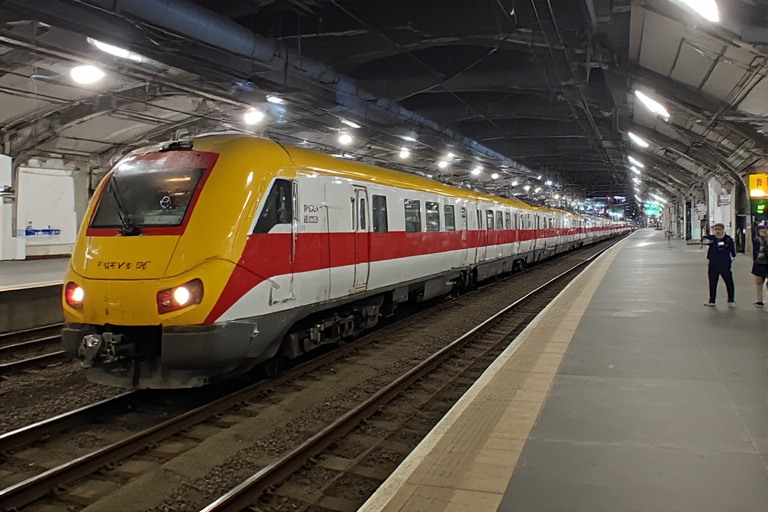
Poland is one of the most travel-friendly countries in Europe when it comes to public transportation. Whether you’re exploring historic cities like Warsaw or Kraków, or heading toward the Baltic coast in Gdańsk, the country offers a reliable, affordable, and well-connected transport network. For tourists, understanding how public transport works can save both time and money while making travel far more convenient.
Overview of Public Transport in Poland
Public transport in Poland is modern, extensive, and generally punctual. Major cities operate integrated systems that include buses, trams, and metro services, while long-distance travel is handled by trains and intercity buses.
The national rail operator, PKP Intercity, connects major cities across the country, making it one of the easiest ways to travel between destinations like Warsaw, Kraków, Wrocław, and Gdańsk.
Urban transport systems are usually managed by local authorities and are well-integrated, meaning one ticket often works across buses, trams, and metro within a city.
City Transport: Buses, Trams, and Metro
Warsaw: Fast and Modern Metro System
The capital city features the country’s only full metro system, Warsaw Metro. It is clean, efficient, and especially useful for reaching key districts quickly. Warsaw also has an extensive bus and tram network that covers almost every corner of the city.
Tourists often use public transport to reach attractions such as the Old Town, Łazienki Park, and the Vistula River boulevards.
Kraków: Tram-Based City Travel
In Kraków, trams are the backbone of public transport. The system is easy to navigate and connects major tourist sites like the Main Market Square, Wawel Castle, and Kazimierz district.
Buses complement the tram network, especially for reaching suburbs or nearby attractions such as the Wieliczka Salt Mine.
Gdańsk and the Tricity Area
The coastal region, including Gdańsk, Gdynia, and Sopot (known as the Tricity), is connected by fast urban trains called SKM. These are ideal for tourists moving between beach towns and historic city centers.
Tickets and Payment System
Public transport in Poland is ticket-based, and tickets must usually be validated at the start of your journey.
Most cities offer:
- Single-ride tickets
- Time-based tickets (e.g., 20, 60, or 90 minutes)
- Day passes or tourist cards
In many cities, you can buy tickets from machines at stops, kiosks, or via mobile apps. Contactless card payments are widely accepted on buses and trams in major cities like Warsaw and Kraków.
Long-Distance Travel in Poland
For traveling between cities, trains are the most popular option. The network operated by PKP Intercity includes:
- Fast trains (Express InterCity Premium / EIP)
- Standard intercity trains
- Regional trains
High-speed trains connect Warsaw with Kraków in about 2.5 hours, making it easy for tourists to explore multiple cities in a short time.
Bus companies also operate long-distance routes, often cheaper than trains but slightly slower.
Useful Tips for Tourists
- Always validate your ticket before or immediately after boarding (in some cities this is mandatory).
- Check timetables using apps like Jakdojade or local transport websites.
- Trams and buses often run on a fixed schedule, but night services are less frequent.
- Keep small change or use contactless payment for convenience.
- English signage is common in major cities, but learning basic Polish transport terms can help.
Why Public Transport in Poland is Tourist-Friendly
Poland’s transport system is designed to be accessible and efficient. Cities are walkable, and public transport fills the gaps perfectly. Affordable fares, frequent services, and well-connected networks make it one of the easiest European countries to explore without renting a car.
Whether you’re riding a tram through Kraków’s historic streets or taking a train across the countryside, public transport gives you an authentic way to experience Poland.