Poland has a rich tapestry of folk traditions that reflect centuries of rural life, regional diversity, and historical resilience. These traditions are not just cultural performances—they are living symbols of identity, community values, and the deep connection between people and nature. From colorful costumes to seasonal festivals, Polish folk heritage continues to shape national consciousness even in modern times.
The Roots of Polish Folk Traditions
Polish folk traditions developed primarily in rural villages, where communities relied heavily on agriculture and seasonal cycles. Life was closely tied to nature, which is why many customs revolve around planting, harvest, winter survival, and fertility rituals. Over time, these practices became embedded in local identity and were passed down through generations via storytelling, music, and communal celebrations.
Different regions developed distinct styles of folk culture. For example, the mountainous south, especially the Podhale, is known for its unique Highlander (Góral) traditions, while central and eastern areas preserve different musical and dance styles influenced by Slavic heritage.
Folk Costumes as Cultural Identity
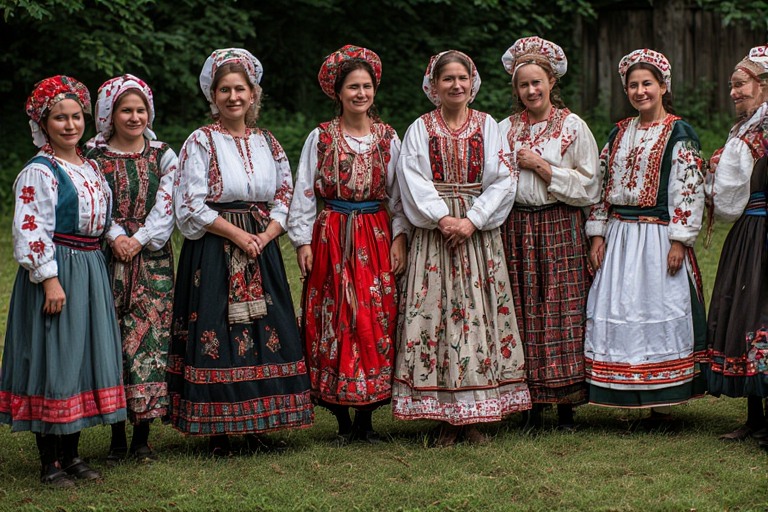
Traditional Polish folk clothing is one of the most visible expressions of cultural heritage. Each region has its own distinct costumes, often richly decorated with embroidery, beads, and symbolic patterns.
Women’s attire typically includes embroidered skirts, floral wreaths, and colorful aprons, while men’s outfits may feature embroidered vests, woolen trousers, and leather boots. These costumes are not merely decorative—they often indicate marital status, regional origin, and even social standing within the community.
Today, folk costumes are most commonly seen during festivals, weddings, and national celebrations, serving as a proud reminder of regional identity.
Music, Dance, and Storytelling
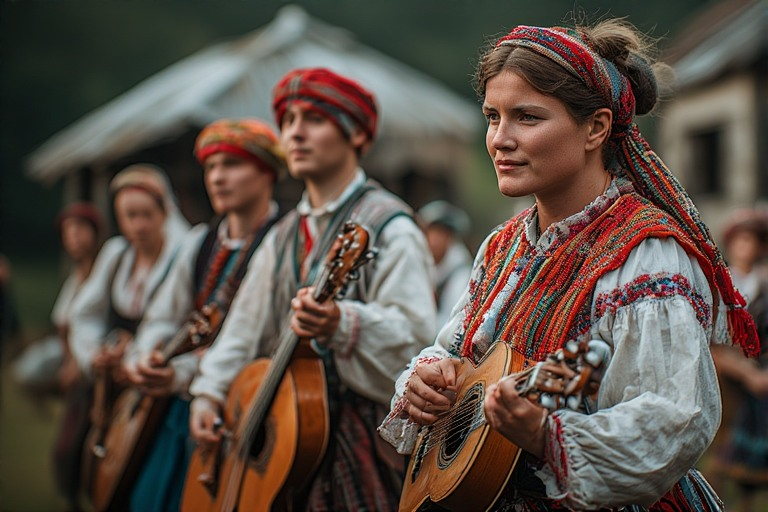
Music and dance play a central role in Polish folk culture. Traditional instruments like the fiddle, accordion, and bagpipes accompany lively dances such as the polonaise, mazurka, and oberek.
In regions like Podhale, Highlander music is especially distinctive, characterized by fast-paced rhythms and improvisation. Folk songs often tell stories of love, hardship, nature, and historical events, acting as a form of oral history that preserves community memory.
Dance is not just entertainment—it is a communal activity that strengthens social bonds and reinforces cultural continuity.
Festivals and Seasonal Celebrations
Polish folk traditions are strongly tied to the agricultural calendar and Christian holidays. Festivals such as Easter and Christmas are celebrated with unique customs that blend religious and pre-Christian elements.
One of the most symbolic celebrations is “Wianki” (the floating of wreaths), traditionally associated with midsummer rituals. During harvest festivals, communities gather to give thanks for the crops, often featuring music, dancing, and the blessing of bread.
These celebrations highlight the importance of gratitude, fertility, and community cooperation in traditional Polish life.
Cultural Meaning in the Modern World
Although urbanization and globalization have changed everyday life, Polish folk traditions remain an important cultural anchor. Many traditions are preserved through folk groups, museums, and cultural festivals. Schools and community organizations also play a role in teaching younger generations about their heritage.
In modern Poland, these traditions are not seen as outdated but as a valuable link to the past. They provide a sense of continuity, identity, and pride, especially in a rapidly changing world.
Conclusion
Polish folk traditions are more than historical relics—they are living expressions of cultural identity that continue to evolve while preserving their roots. From music and dance to costumes and seasonal rituals, these traditions reflect the values, struggles, and creativity of generations. They remain a vital part of national culture, connecting modern society with its rural and historical origins.