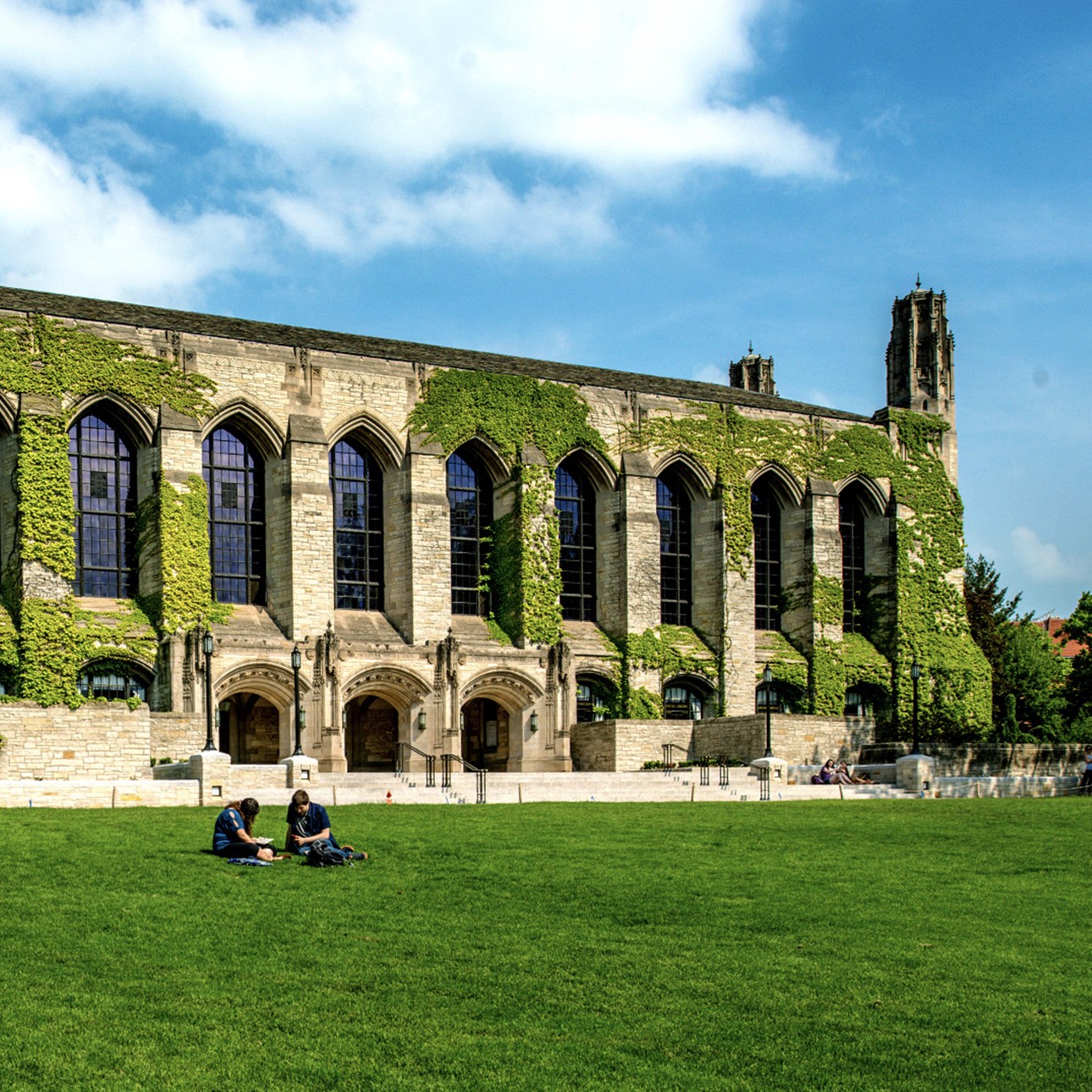
The Growing Influence of Northwestern in Modern Education
The world of higher education is undergoing rapid transformation as universities adapt to technological advancements, changing workforce demands, and the rise of digital learning environments. Among institutions recognized for academic excellence and forward-thinking innovation, northwestern has become associated with the evolution of modern higher education and research-driven learning. Universities today are no longer limited to traditional classroom teaching; they are becoming global centers for innovation, collaboration, and technological advancement.
Modern students expect flexible learning opportunities, advanced digital resources, and career-focused education that prepares them for competitive industries. Northwestern-related innovation reflects the broader movement toward smarter educational systems that combine research, technology, and interdisciplinary collaboration. This transformation is shaping how universities educate future generations and contribute to global progress through knowledge and discovery.
Northwestern and the Expansion of Digital Learning
One of the most significant changes connected with northwestern and modern education is the expansion of digital learning platforms. Online education has evolved far beyond simple virtual classrooms and now includes interactive learning environments, AI-assisted teaching systems, and global academic collaboration tools. Universities are increasingly using digital technologies to make education more accessible, flexible, and engaging for students worldwide.
Online learning platforms allow students to access lectures, assignments, and research materials from virtually any location. This flexibility helps learners balance education with work and personal responsibilities while opening opportunities for international students who may not be able to attend physical campuses. As a result, higher education is becoming more globally connected and inclusive.
Digital learning technologies also improve student engagement by providing personalized educational experiences. Artificial intelligence and data analytics can identify learning patterns, recommend study materials, and offer adaptive learning support tailored to individual student needs. Institutions connected with northwestern-style innovation are helping create more efficient and student-centered academic environments that improve educational outcomes.
Research Excellence and Interdisciplinary Innovation
Research has become one of the defining pillars of modern universities, and northwestern is often associated with innovation-driven academic exploration. Today’s global challenges require interdisciplinary collaboration, where experts from multiple fields work together to solve complex problems related to healthcare, sustainability, technology, and economics.
Advanced research institutions are investing heavily in scientific laboratories, AI-powered analytics, and collaborative digital systems to accelerate discoveries. Researchers use advanced technologies to analyze large datasets, simulate experiments, and develop solutions that address real-world issues more effectively. This research-driven environment encourages innovation while preparing students to participate in meaningful scientific and technological advancements.
Interdisciplinary education also helps students develop broader perspectives and stronger problem-solving skills. Universities connected with northwestern-inspired educational models encourage collaboration between engineering, business, medicine, computer science, and social sciences. This integrated approach reflects the growing demand for professionals capable of working across multiple disciplines in rapidly evolving industries.
Technological Innovation in Academic Environments
Technology continues to reshape academic environments, and northwestern represents the increasing integration of smart technologies into higher education systems. Modern universities are using digital infrastructure, artificial intelligence, virtual simulations, and cloud-based platforms to improve both teaching and administrative operations.
Smart classrooms equipped with advanced multimedia systems create more interactive learning experiences and support remote participation for students across different locations. Virtual laboratories and simulation tools allow learners to conduct experiments and gain practical experience without relying solely on physical facilities. These innovations improve accessibility while enhancing the quality of education in technical and scientific fields.
Administrative systems are also becoming more efficient through automation and AI-driven solutions. Universities now use intelligent platforms to manage admissions, academic scheduling, student services, and performance tracking. By reducing administrative complexity, institutions can focus more on educational quality, student development, and research advancement.
Technological innovation is also strengthening communication between universities, students, and global academic communities. Digital collaboration tools enable researchers and educators to share knowledge instantly, creating more connected and efficient educational networks worldwide.
Global Learning Opportunities and Career Development
The globalization of education is another major trend associated with northwestern and the future of higher learning. Students today seek international experiences, diverse academic perspectives, and career opportunities that extend beyond national borders. Universities are responding by building global partnerships, offering international programs, and supporting cross-cultural collaboration through digital platforms.
Online courses and virtual exchange programs allow students to learn from global experts without leaving their home countries. This accessibility expands educational opportunities while helping learners develop communication skills and cultural awareness essential for modern careers. Universities connected with innovative academic models are helping prepare students for increasingly international job markets and collaborative industries.
Career development has also become a major focus of higher education. Institutions are integrating practical training, internships, entrepreneurship programs, and industry partnerships into academic systems. This combination of theoretical knowledge and real-world experience helps graduates adapt more successfully to evolving professional environments.
As industries continue changing due to automation and technological advancement, universities must prepare students for jobs that may not yet exist. Northwestern-related educational innovation reflects the importance of adaptability, creativity, and lifelong learning in future workforce development.
The Future of Northwestern and Smart Higher Education
The future of northwestern-inspired education reflects a broader transformation in how knowledge is delivered, shared, and applied in society. Emerging technologies such as artificial intelligence, virtual reality, augmented reality, and predictive analytics are expected to reshape higher education even further in the coming years.
Future classrooms may offer immersive virtual learning experiences where students interact with simulations, conduct collaborative global projects, and access personalized AI tutoring systems. Educational institutions are also likely to use predictive analytics to identify student needs early and improve academic success rates through customized support strategies.
Research universities will continue playing a crucial role in solving global challenges related to healthcare, sustainability, cybersecurity, and technological innovation. By combining advanced research, digital learning, and international collaboration, institutions connected with northwestern-style innovation will help shape the future of education and scientific progress.
As higher education evolves, universities that embrace flexibility, technology, and interdisciplinary collaboration will remain at the forefront of global learning. Northwestern symbolizes a future where academic institutions become smarter, more connected, and more capable of preparing students to thrive in an increasingly digital and innovation-driven world.